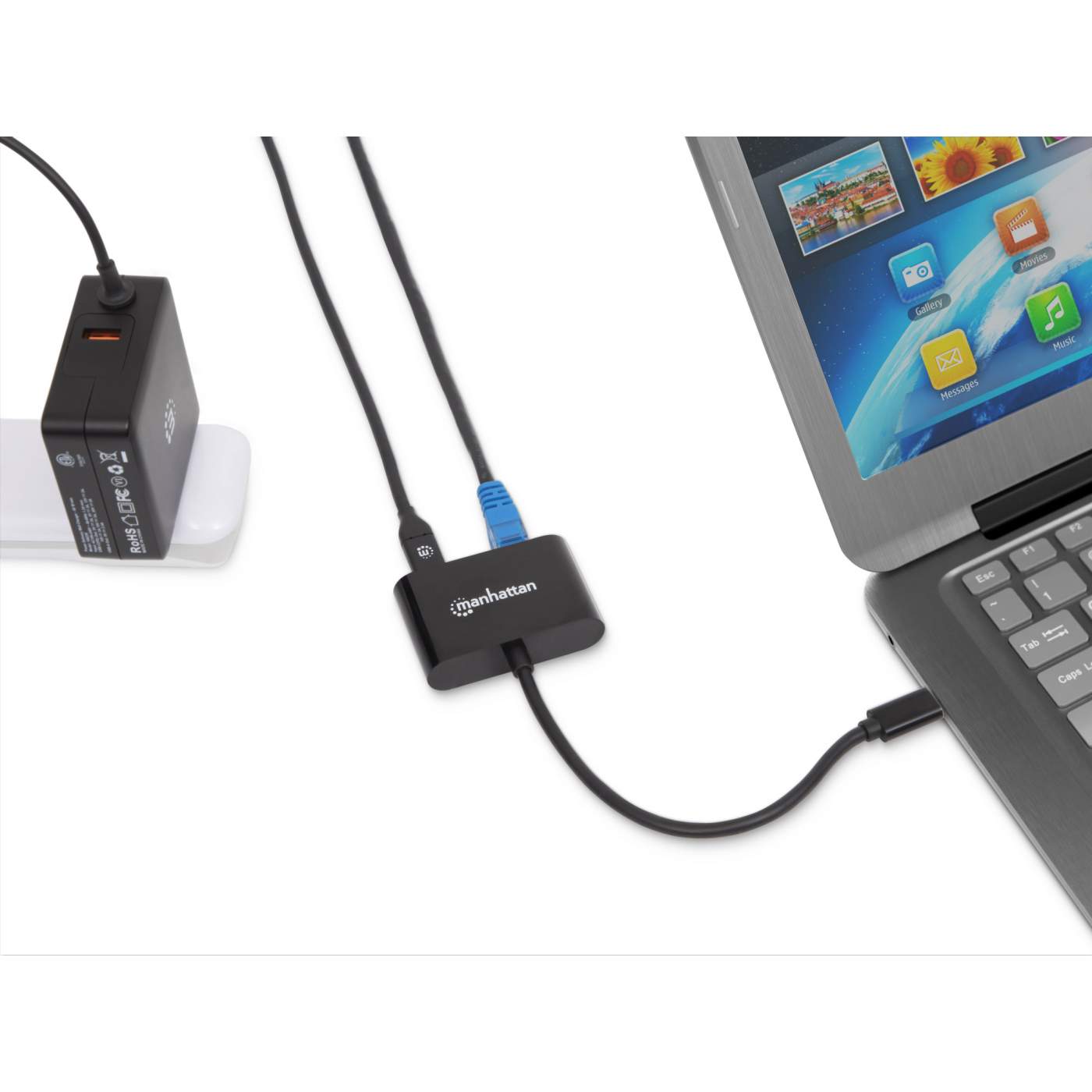
Understanding USB Power Delivery: How It Works and Why It Matters
USB Power Delivery (USB PD) is a universal charging technology that allows for greater power levels than traditional USB standards. By utilizing USB Type-C connectors, USB PD can deliver up to 100 watts of power, enabling not only faster charging of smartphones and tablets but also the capability to power larger devices such as laptops and monitors. Additionally, USB PD supports bi-directional power flow, which means devices can both transmit and receive power, enhancing flexibility in how we connect and charge various electronics.
Understanding how USB Power Delivery works is crucial for optimizing your device's performance and charging efficiency. USB PD operates through a series of negotiation messages between the power source and the device, determining the appropriate voltage and current levels. This dynamic adjustment results in faster, more efficient charging, reducing the time it takes to power your devices. As the demand for high-power devices increases, knowledge of USB PD becomes increasingly vital, impacting both consumer choices and device manufacturers' designs.
If you're looking for durability and style in your charging cables, check out the Top 10 Braided USB C Cables. These cables not only offer exceptional strength but also come in various lengths to suit your needs. Whether you need a short cable for travel or a longer one for home use, there's a perfect option for everyone.
Top 5 Myths About USB Power Delivery Debunked
USB Power Delivery (USB PD) is often misunderstood, leading to a multitude of myths that can confuse consumers. One common myth is that USB PD only works with specific cables and chargers. In reality, while compatibility is crucial, as long as both the cable and charger support USB PD, you can achieve efficient power transfer. The next myth suggests that using a USB PD charger will damage your devices. This is not true; USB PD is designed to adapt to the power needs of the connected device, ensuring safe and effective charging.
Another myth circulating in tech circles is that USB PD is significantly slower than traditional charging methods. This is misleading, as USB PD can actually deliver higher power levels, resulting in faster charging for compatible devices. Additionally, some believe that USB PD is only useful for smartphones and tablets. In fact, it has applications in a wide range of devices, including laptops and wearables. Finally, there's a misconception that all USB Type-C ports support USB PD. While many do, not all Type-C ports implement the PD specification, making it essential to check device compatibility first.
Is Your Device USB PD Compatible? Here's How to Check
To determine if your device is USB PD compatible, start by checking the specifications provided by the manufacturer. Most devices that support USB Power Delivery will explicitly list it in their technical details. Look for keywords like 'USB PD' or 'Power Delivery' in the user manual or the product description on the manufacturer’s website. If the documentation is not available, you can search for your device model followed by 'USB PD compatible' to see if others have confirmed its capabilities.
Another effective method to check for USB PD compatibility is to examine the charging port on your device. If your device has a USB-C port, it is likely to support USB Power Delivery, but this isn't always guaranteed. You can use a USB PD tester to see the power levels being requested and delivered when the device is connected to a USB PD charger. For a more straightforward approach, simply try charging your device with a known USB PD charger and see if it charges faster than usual; this can be a sign of compatibility.