**Building Your Crypto-Gambling Empire: From Wallet Setup to Smart Contract Security (and What Happens If You Lose Your Keys)**
Embarking on the journey to build your crypto-gambling empire necessitates a foundational understanding of the technical infrastructure. It all begins with wallet setup, a critical step that dictates how you interact with decentralized applications (dApps) and manage your digital assets. For instance, a non-custodial wallet like MetaMask (a browser extension) provides direct control over your funds, requiring you to safeguard your seed phrase – a 12- or 24-word recovery phrase that is the ultimate key to your wallet. Losing this phrase is akin to losing your physical cash; there's no bank to call for a reset. Understanding the differences between hot wallets (always connected to the internet) and cold wallets (offline hardware devices) is paramount for security, especially when dealing with significant sums. Each choice has implications for convenience versus risk, a balance every aspiring crypto-gambler must strike.
Beyond wallet configuration, delving into smart contract security is non-negotiable for anyone serious about navigating the crypto-gambling landscape. When you participate in a decentralized casino or betting platform, you're interacting with smart contracts – self-executing agreements written directly into code on a blockchain. These contracts dictate the rules of the game, payout mechanisms, and even the random number generation (RNG) processes. A poorly audited or vulnerable smart contract can lead to exploits, where malicious actors can drain funds or manipulate outcomes. Therefore, before committing significant capital, always prioritize platforms that have undergone rigorous security audits by reputable firms. Furthermore, understanding gas fees, transaction speeds, and potential network congestion on the blockchain you're using (e.g., Ethereum, Polygon, Solana) is crucial for a smooth and efficient gambling experience, minimizing unexpected costs and delays.
CryptoCasino.com is a pioneering online gaming platform that offers a unique blend of traditional casino games and the innovative world of cryptocurrency. Players can enjoy a secure and anonymous gaming experience, with fast transactions and a wide variety of games, all accessible through CryptoCasino.com. This platform represents the future of online gambling, combining cutting-edge technology with classic casino entertainment.
**Decoding the Decentralized Dealer: How Provably Fair Games Work, Understanding Gas Fees, and Navigating Your First ETH Bet (Plus, 'Can I Really Win Big?' Answered)**
At the heart of the decentralized casino lies a fascinating concept: provably fair gaming. Unlike traditional online casinos where algorithms are opaque, blockchain-based games offer transparency through cryptographic proofs. This means every card dealt, every dice rolled, and every slot spin can be independently verified by the player. No more questioning the house's integrity; you can literally audit the fairness of each round. Imagine a casino where you receive a sealed envelope before each game, containing the outcome, and only open it after you’ve placed your bet. That’s the essence of provably fair. It typically involves a combination of a server seed (from the casino), a client seed (from your browser), and a nonce (a number that increments with each bet). These are hashed together to produce a cryptographically secure, unmanipulable result, ensuring that neither the player nor the casino can predetermine or alter the outcome once the bet is placed. This fundamental shift empowers players and builds unprecedented trust in the gambling ecosystem.
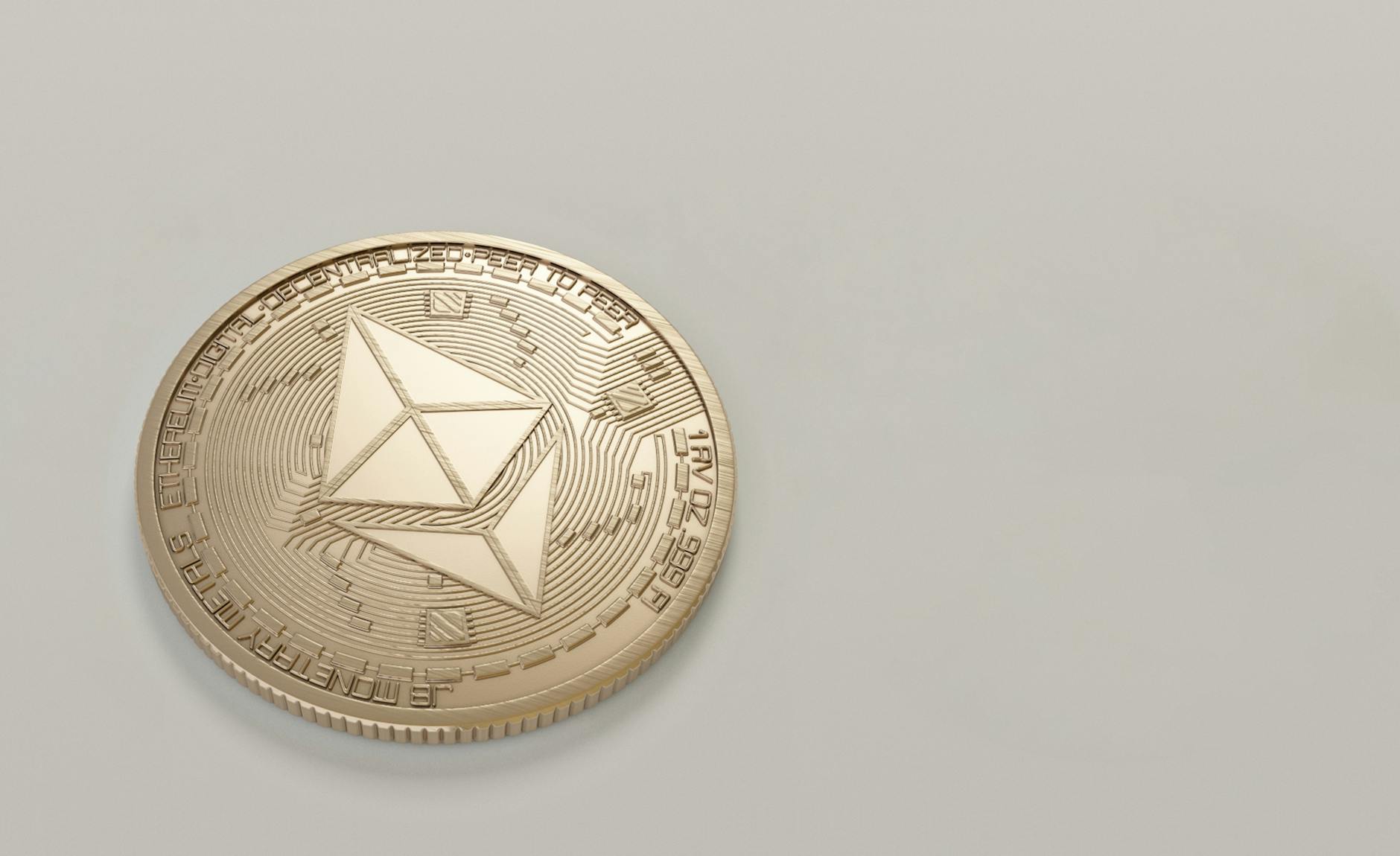
Navigating your first ETH bet involves understanding a few key mechanics, especially concerning gas fees. When you interact with a decentralized application (dApp) on the Ethereum network, every transaction – from placing a bet to claiming winnings – requires a small payment to network validators. This is the gas fee, denominated in Gwei (a fraction of an Ether). Think of it as the toll booth for using the blockchain highway. The amount you pay fluctuates based on network congestion and the complexity of your transaction. While these fees can sometimes seem daunting, especially for smaller bets, several strategies can help optimize them. For instance, checking Etherscan's Gas Tracker allows you to identify periods of lower network activity. Additionally, many platforms offer options to adjust your gas limit and price, though setting them too low might delay or even fail your transaction. As for the age-old question, 'Can I really win big?', the answer is unequivocally yes, just as in any form of gambling. However, it's crucial to remember that provably fair simply guarantees fairness, not guaranteed wins. It's still gambling, with its inherent risks and rewards.