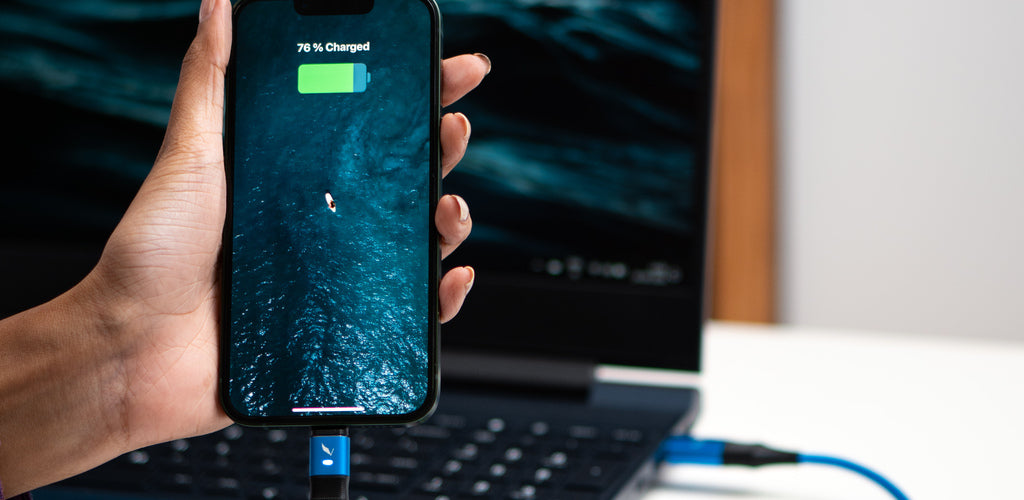
The Science Behind Fast Charging: How It Works and Why It Matters
The phenomenon of fast charging is rooted in advanced technologies that allow batteries to regain energy at a remarkable pace. It primarily operates through two tactics: increasing voltage and enhancing current flow. By applying a higher voltage than traditional chargers, devices can draw more current, leading to quicker charge times. Moreover, various charging protocols, such as Qualcomm's Quick Charge and USB Power Delivery, have been developed to optimize the charging process according to the device's capabilities, ensuring that it charges safely and efficiently. Understanding these mechanisms is crucial for both developers and consumers, as it opens avenues for improved battery management and longevity.
The importance of fast charging goes beyond mere convenience. In an era where quick access to technology is paramount, having the ability to charge devices swiftly can dramatically enhance user experience. Consider this: for users on the go, a 15-minute charge can provide several hours of usage, making a significant difference in productivity. As our reliance on portable devices increases, the demand for quicker charging solutions will likely rise, prompting further innovations in battery technology and charging systems. By investing in fast-charging solutions, manufacturers not only cater to consumer needs but also contribute to a more sustainable approach to energy consumption.
Fast charging USB-C cables are essential for ensuring your devices charge quickly and efficiently. To help you find the best options on the market, check out our Top 10 Fast Charging USB C Cables. These cables are designed to support high-speed data transfer while maintaining durability and compatibility with various devices.
Fast Charging vs. Standard Charging: What's the Real Difference?
Fast charging and standard charging are two terms that frequently come up in the world of mobile devices, particularly as technology advances. Fast charging refers to the ability to significantly reduce the time it takes to power up a device's battery compared to traditional methods. While standard charging typically delivers a set voltage and current, fast charging utilizes higher voltages and intelligent charging protocols to deliver greater amounts of power in a shorter time frame. This means that with fast charging, users can often reach 50% battery in just 30 minutes, whereas standard charging may take several hours for a full charge.
However, with the convenience of fast charging comes important considerations. While it can be a game-changer for users constantly on the go, excessive use of fast charging may lead to increased heat generation, potentially affecting battery longevity over time. Additionally, not all devices and chargers are created equal; a fast charging experience largely depends on having compatible technology, including cables and power adapters. In this evolving landscape, understanding the real difference between fast charging and standard charging will empower users to make informed choices about the longevity and performance of their devices.
Is Fast Charging Safe for Your Devices? Common Myths Debunked
The debate surrounding fast charging has given rise to numerous myths that often cause confusion among users. One common myth is that fast charging can significantly damage your device's battery in the long run. However, most modern smartphones and tablets are equipped with advanced charging technology designed to manage the power intake efficiently. This technology adheres to safe charging standards, reducing the risks typically associated with faster charging speeds. It's also important to consider that manufacturers have engineered batteries with built-in mechanisms to handle rapid charging safely.
Another prevalent myth suggests that using third-party chargers will always compromise safety and efficiency. While it's crucial to be cautious about where you source your chargers, not all third-party options are created equal. Many reputable brands produce high-quality, certified chargers that support fast charging without harming your device. To ensure safety, always check for compatibility with your device and look for certifications like USB-IF and Qualcomm Quick Charge. Embracing factual information over myths is essential to maximize the benefits of fast charging while ensuring device longevity.