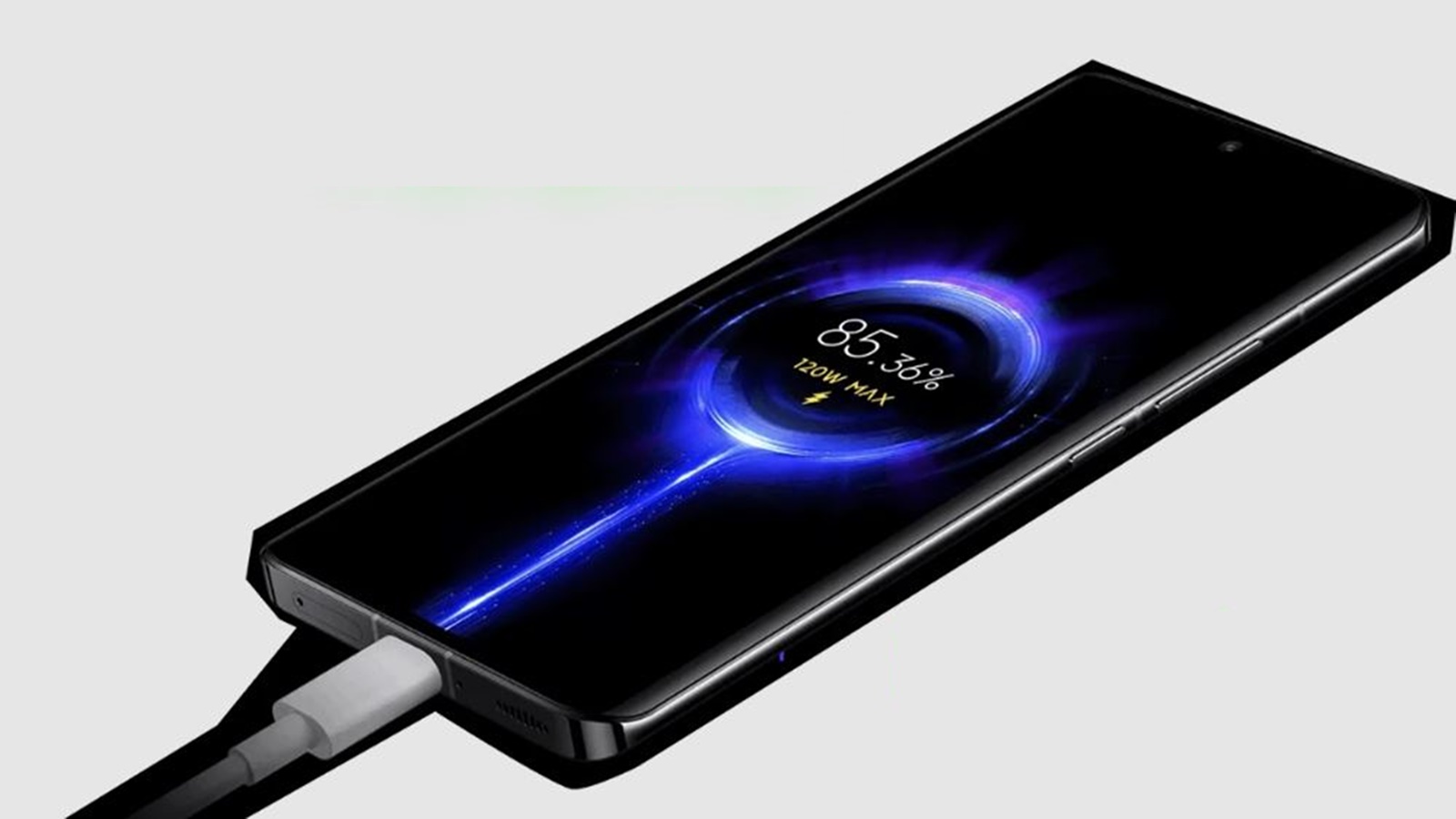
The Science Behind Fast Charging: How It Works
Fast charging technology has revolutionized the way we power our devices, enabling significantly quicker charging times compared to traditional methods. At its core, fast charging works by increasing the amount of current delivered to a device's battery. To achieve this, fast chargers adjust voltage, current, and even the protocols used to communicate with the device. This means that a charger may use higher voltage, such as 9V or 12V, rather than the standard 5V to expedite the charging process, all while ensuring that the battery management system in the device regulates the flow of energy.
Another essential aspect of fast charging is the battery chemistry. Lithium-ion batteries, which are commonly used in smartphones and electric vehicles, are designed to accommodate rapid energy transfer. The smart circuitry within both the charger and the device helps to monitor battery temperature and charge levels, ensuring safe and efficient charging. By utilizing advanced technologies, such as USB Power Delivery and Qualcomm Quick Charge, manufacturers can deliver power in a way that optimizes battery health while still providing users with the convenience of faster charging times.
If you're looking for a reliable way to charge your devices, check out the Top 10 iPhone Air MagSafe Charging Stand. These charging stands combine sleek design with functionality, ensuring your iPhone charges quickly and efficiently while keeping it upright for easy access. Whether you need a stand for your office or bedside table, you'll find the perfect option in this curated list.
Top 5 Myths About Fast Charging Debunked
Fast charging has become a buzzword in the tech industry, yet several myths surround this technology, leading to misconceptions among users. One common myth is that fast charging will significantly degrade your battery life. In reality, modern smartphones are designed with smart charging algorithms that manage energy flow and prevent overheating. Moreover, many high-quality lithium-ion batteries can accommodate faster charging without noticeable wear and tear, effectively dispelling fears around rapid power replenishment.
Another prevalent myth is that using a fast charger is inherently dangerous. While safety concerns are valid, reputable manufacturers rigorously test their chargers to comply with safety standards. For instance, most fast chargers provide protection mechanisms like overcurrent and short-circuit protection, ensuring that devices are safe from damage. It's important to use certified chargers and cables, but dispelling this myth allows users to take full advantage of their device’s fast charging capabilities without unnecessary worry.
Is Fast Charging Safe for Your Device?
Fast charging has revolutionized the way we recharge our electronic devices, offering the convenience of restoring battery life in a fraction of the time compared to traditional charging methods. However, many users are left wondering, is fast charging safe for your device? The short answer is yes, provided that the device and charger are compatible. Most modern smartphones and gadgets come equipped with built-in safety features that prevent overheating and overcharging. This includes thermal management systems and voltage regulation, which help ensure that your device can handle the increased power input without sustaining damage.
That said, it’s important to consider a few key factors when using fast charging. Always use the manufacturer's recommended charger and cable, as third-party products can vary in quality and safety standards. Furthermore, keeping your device’s software updated can enhance compatibility with fast charging technologies. Ultimately, while fast charging is safe for your device, adhering to these best practices can help you maximize both safety and battery longevity.